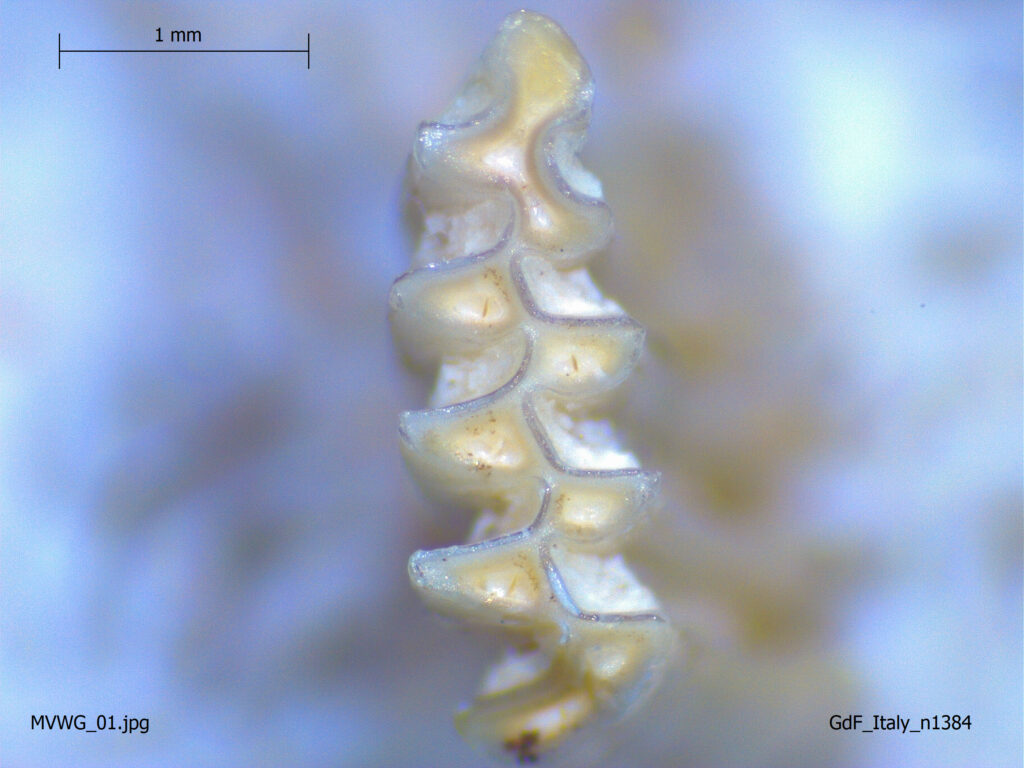
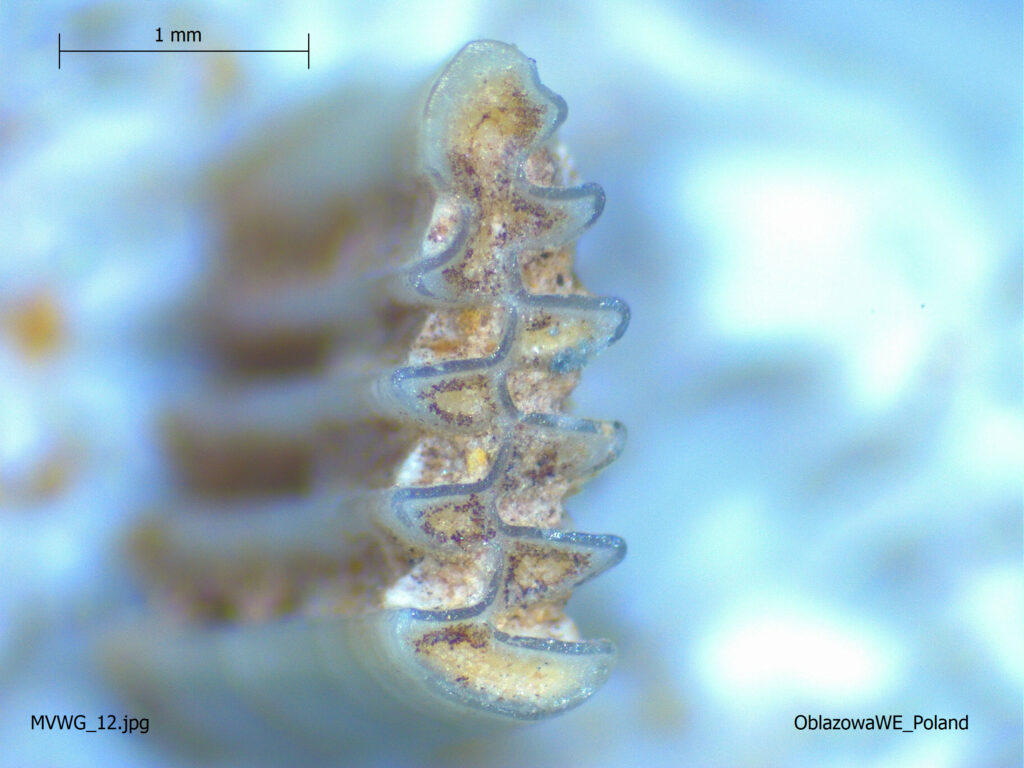
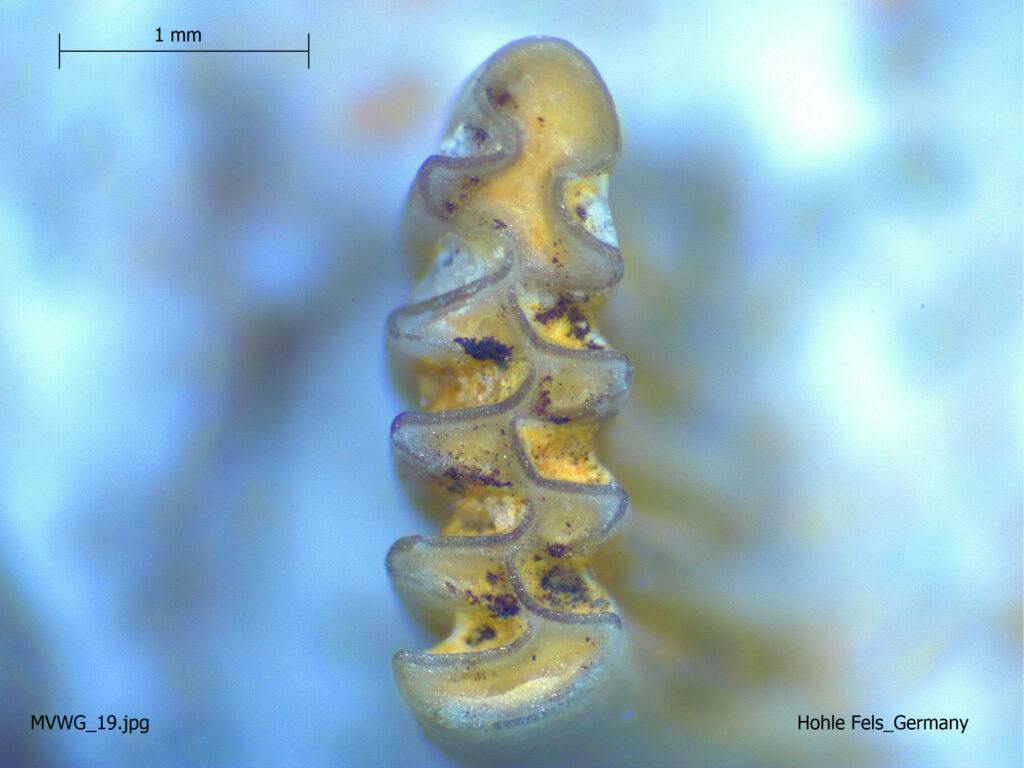
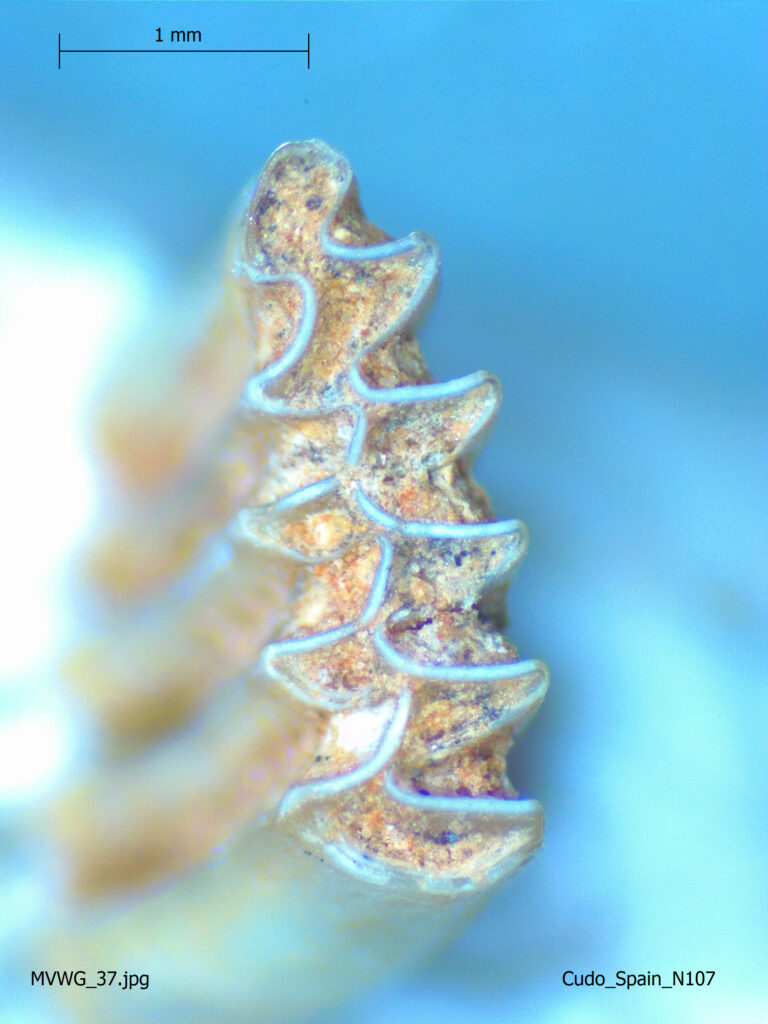
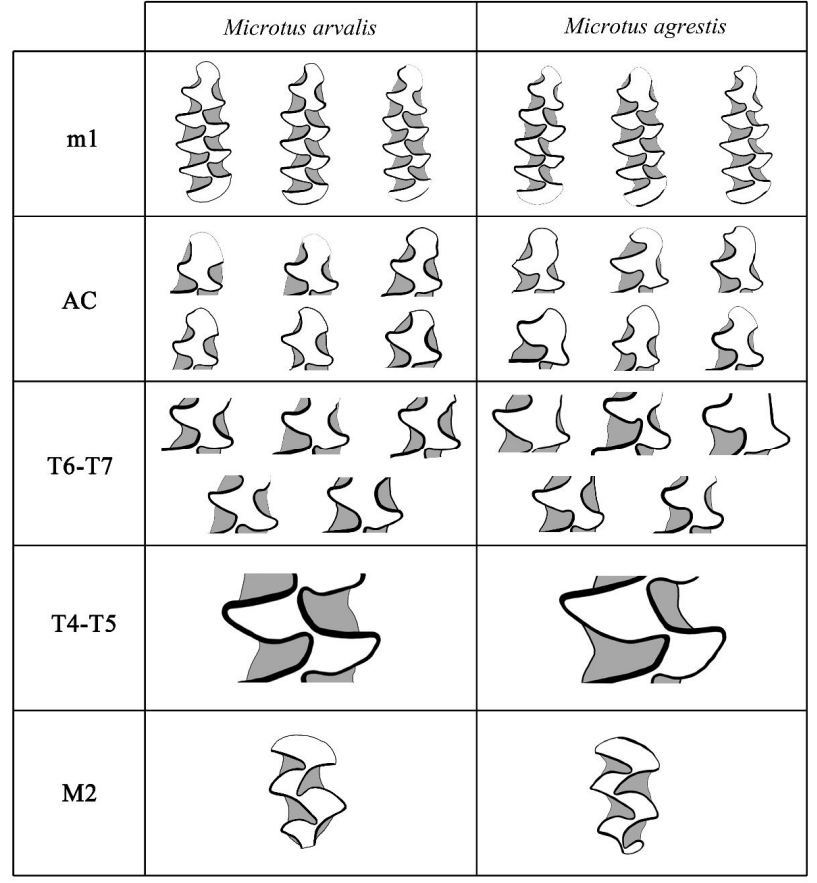
Overall symmetric and parallel disposition of both triangles and re-entrant angles
Morphological differences between Microtus arvalis and Microtus agrestis. Figure from: Luzi, E., López-García, J. M. (2019). Relative size variations in two vole species: A climatic proxy for the identification of humid-arid pulses during Late Pleistocene in Southwestern Europe? Quaternary Science Reviews, 223, 105920.
Essential references
Chaline, J., 1972. Les Rongeurs du Pléistocène Moyen et Supérieur de France. Paris.
Nadachowski, A., 1982. Late Quaternary Rodents of Poland with special reference to morphotype dentition analysis of voles. P.W.N., Warszava – Krakow.
We use cookies to ensure that you have the best experience on our website. If you continue to use this site, we will assume that you are happy with it :)